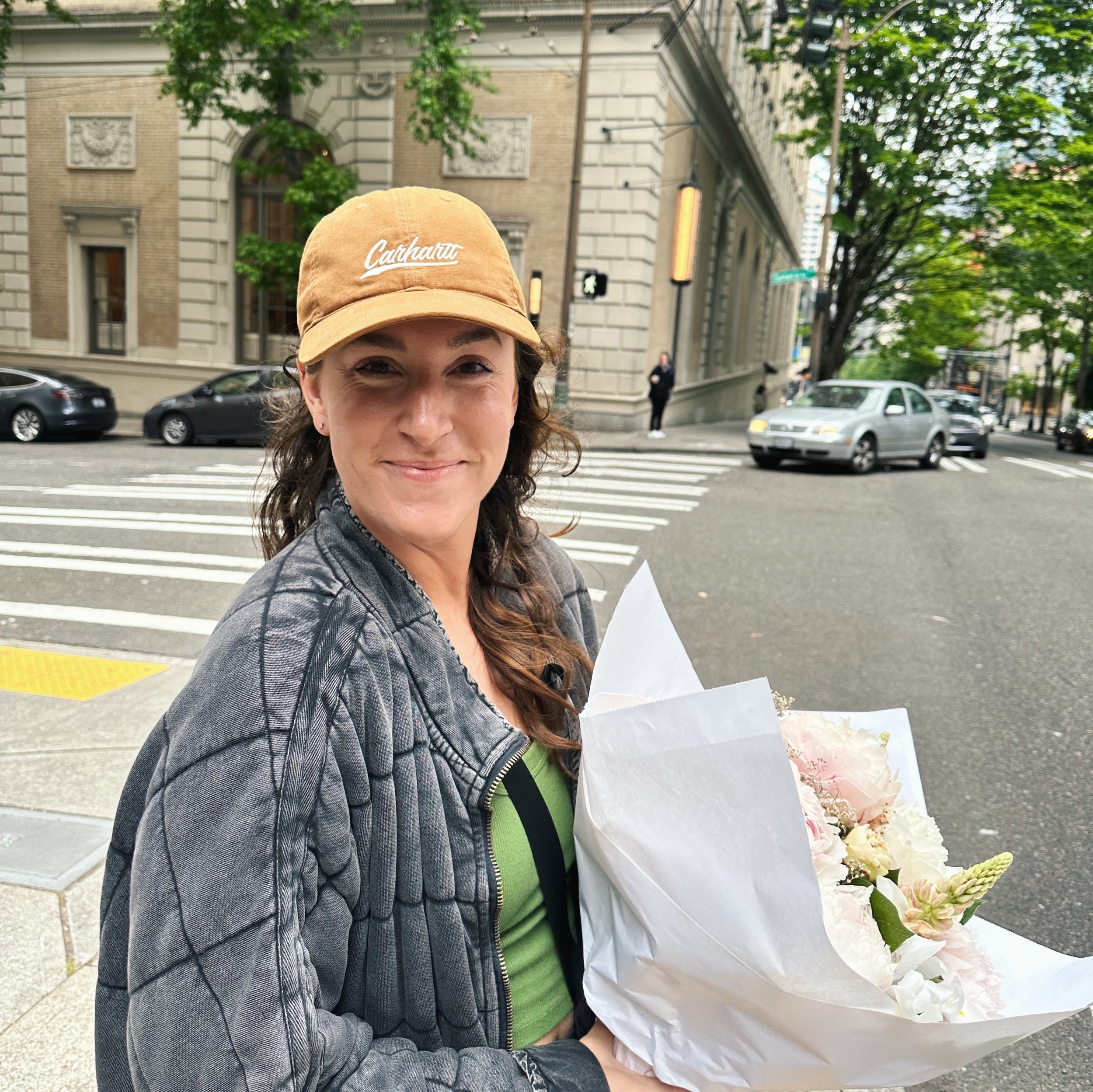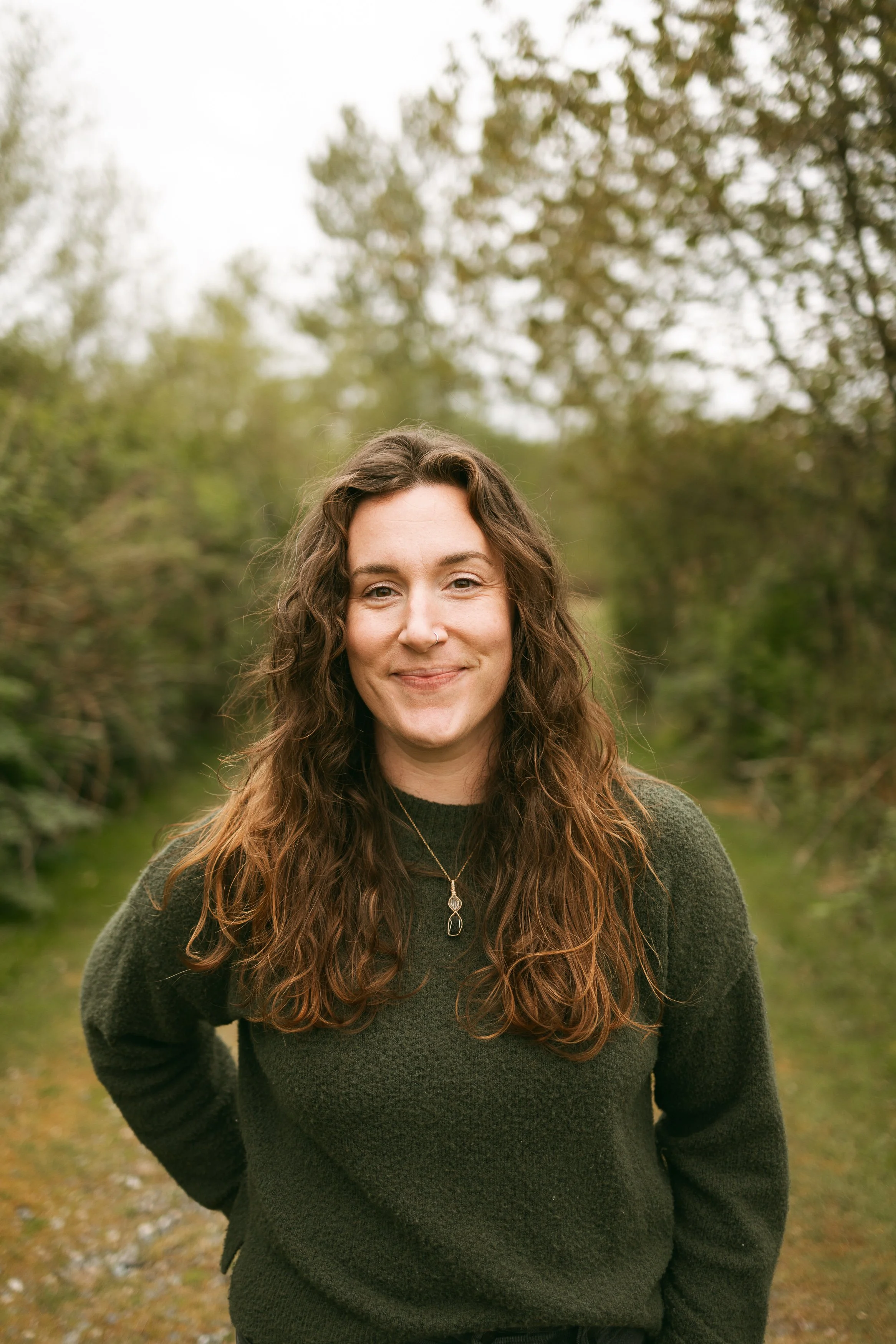
MEET EMILY
(SHE/HER) TRAUMA THERAPIST
IN BELLINGHAM, WA
I'm really glad you're here.
If you're anything like many of the people I work with, you've probably spent a lot of time wondering if therapy is "worth it," telling yourself you should be able to handle things on your own, or worrying about whether a therapist will actually get you. Those are real concerns, and I don't take them lightly.
I believe one of the most important parts of therapy is finding someone you feel deeply seen by. The relationship we build matters so much. My hope is that our sessions become a place where you don't have to filter yourself, explain away your feelings, or have everything figured out before you walk through the door. You get to show up exactly as you are & be met with compassion.
MY VALUES AS A THERAPIST
TRAINING & EDUCATION
-
-
Certified Clinical Trauma Professional Level II: Complex Trauma
-
AEDP Neuroscience of Flourishing Training
Undoing Aloneness in Relational Trauma Training
Emotionally Focused Therapy: Attachment Based Interventions Training
-
Applying Internal Family Systems to Complex Clinical Issues Workshop
-
Introduction to Embodiment: Theory and Clinical Practice via Trinity Western University
MODALITIES & FRAMEWORKS I INCORPORATE
-
Sometimes we can talk about an issue for years and still feel stuck. Experiential therapy goes beyond conversation by helping you connect with what you're feeling in real time. Together, we'll gently explore your emotions, physical sensations, and reactions so healing can happen not just intellectually, but emotionally and physically too.
While insight is important, lasting change often happens when you have a new emotional experience. Not just a new understanding. During our sessions, we'll slow down and pay attention to what you're feeling in the moment, exploring emotions, body sensations, and patterns as they arise. This allows us to work with experiences as they're happening, helping you develop new ways of relating to yourself and others. -
I believe the relationship we build in therapy matters. Many people have learned to hide parts of themselves, handle things alone, or adapt to what others need from them. In our work together, you don't have to perform, have everything figured out, or know exactly what to say.
My goal is to create a relationship where you feel seen, understood, and accepted while we explore the parts of your life that feel difficult. Through this experience, you can begin to develop a more compassionate relationship with yourself and create healthier, more fulfilling connections with others.
Many first responders spend their careers being the person others rely on by staying calm, solving problems, and carrying responsibility in high-pressure situations. While these skills are so valuable, they can sometimes make it difficult to ask for help, express emotions, or feel truly known by others.Relational therapy provides a space where you don't have to be always the strong one. We’ll work to build a relationship where trust develops over time, allowing you to explore what you've been carrying, understand your patterns, and reconnect with yourself and the people who matter most.
-
Our bodies often carry experiences long after our minds have tried to move on. That's why therapy with me isn't just about talking. I also pay attention to what your body is telling us. Maybe that's tension, restlessness, numbness, or the feeling that you can never quite relax. Maybe you feel a tightness in your chest or constriction in your throat. By slowing down and listening to these cues together, we can help your nervous system shift out of survival mode and create lasting change that isn't just understood intellectually, but felt throughout your whole body.
-
Many of us carry expectations into relationships without even realizing it. Maybe you've learned to handle everything on your own, keep people at a distance, or worry that you'll be rejected if you're fully yourself.
Attachment-focused therapy helps us understand where those patterns came from without blaming. We can start to recognize how the patterns may be showing up in your life today. Through our work together, you'll have opportunities to experience a relationship built on consistency, safety, and trust, which can open the door to new ways of connecting both inside and outside of therapy.
-
Parts work is based on the idea that we all have different sides of ourselves. You might have a part that's highly driven, a part that worries about disappointing others, a part that wants to avoid conflict, or a part that's exhausted and just wants to shut everything off. None of these parts are "bad". In fact, they developed to help protect you from pain.
In therapy, we explore these different parts instead of judging them. As you begin to understand what they're trying to protect you from, they no longer have to work so hard. This can help you feel more balanced, make decisions with greater confidence, and respond to life's challenges in ways that feel more aligned with who you are.
-
I believe healing happens in relationships. Not just by talking about your life, but by having a different experience than you've had before. Using principles from AEDP, I work to create a space where you feel deeply understood, supported, and accepted.
As trust develops, we can explore difficult emotions together without becoming overwhelmed, allowing you to process experiences that may have felt too painful to face alone.One of the things I appreciate most about AEDP is that it doesn't stop at helping you understand your struggles. It also creates opportunities for new emotional experiences that can change how you see yourself and relate to others. Over time, many people find they not only feel less overwhelmed, but also more hopeful, more connected, and more like themselves.
-
Systemic therapy recognizes that we don't exist in isolation. Our relationships, families, work environments, and life experiences all shape who we are and how we cope.
Instead of asking, "What's wrong with me?" we’d shift that to, "What has shaped me, and what patterns are keeping me stuck?"
Systemic therapy helps explore the bigger picture. We look at how your job, relationships, family history, culture, and experiences have shaped the way you handle stress, communicate, and connect with others. Together, we can identify patterns that support you and patterns that may be leaving you feeling stuck.
OUTSIDE OF THERAPY…
I believe in the power of sharing who I am apart from being a therapist. It’s important to me that you feel aligned with me as your therapist & as a person. That’s how we truly & authentically connect with each other. And in connection, we heal. Therefore, here are some facets to my personality that I’d like to share with you.
-
These identities are integral to who I am & how I show up as a human. My role as mother is one I cherish immensely & receive a great amount of joy from. I am also a sister & eldest daughter, still navigating the grief of parent loss.
And lastly, I’m a wife to a first-responder. This allows me intimate knowledge of both what it’s like to have a partner who is a first-responder & how that role affects their partners/loved ones. I’ve been navigating this for over 10 years and am experienced in the various dynamics that can show up.
-
Living in the PNW, it’s hard not to appreciate the immediate access to nature that we have. Whether it’s gardening or hiking, I feel at peace when I’m outside.
Other times, you’ll probably find me reading and totally checked out from the world. I love a good book so very much! -
Food is the way to my heart! Sharing a meal with loved ones is so special to me. Through traveling, I’ve expanded my palette & fostered a profound appreciation for various cultures. I’ve visited Australia, Indonesia, Mexico, Argentina, France, Italy, Chile, and Ireland. Some day, I’d love to continue exploring.
-
I blend the clinical & the mystical in my personal life. This means sometimes I dabble in alternative spiritual practices like astrology, tarot, and seasonal rituals. Other times, I’ll use some good old-fashioned cognitive worksheets. I see the benefits of both. To me, there’s value in finding my own meaning within these practices. It allows me to look deeply at my internal world & think critically about what’s important to me.